
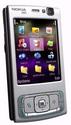
Nokia N95 Cell Phone

N95It’s GPS. It’s a photo studio. It’s a mobile disco. It’s the world wide web. It’s anything you want it to be. Explore the internet with 3.5G ease. Navigate the world with interactive maps and purchasable local city guides. Download your favorite music tracks. And capture it all with 5 megapixel clarity and Carl Zeiss optics. Experience the true power of multimedia computing. It’s the Nokia N95 multimedia computer!

PDA security

The most basic method of accessing data on a handheld device is directly through the devicea’s user interface. The first thing you should do when you start using the smartphone or PDA is change the default password. Use strong passwords as a first line of defense, which should include upper and lowercase letters, numbers, and symbols. Configure the password setting for power-on, meaning you need password authentication when turning on the device and when the device has been idle for a set period of time. You can also configure password settings to lock the device after multiple failed attempts.

Yahoo! mobile search expansion in Asia

I have just deleted my device out of yahoo mobile since I won’t need it that much anymore anyway, for I switched another chip on my phone. But it was really good service from Yahoo! oneSearch™ on mobile, redefining how you use the phone to get info on the go, find just the answers you need with fewer clicks. Yahoo Inc. will provide mobile search services to nine more cell phone operators in Asia, the new partnerships include mobile operators in India, Malaysia, Indonesia, Hong Kong and Singapore. The company already has seven partnerships the region, including in South Korea, Taiwan and the Philippines. The latest deals bring Yahoo’s total worldwide distribution partnerships to 20 mobile operators in 19 countries. Yahoo’s announcements come the week after larger rival Google Inc. said it is developing a free mobile software package that will be available in the second half of next year. Called “Android,” Google’s mobile software is designed to make it easier to use the Web over cell phones and other mobile gadgets.

Bridging the digital divide: $100 laptop

Earlier this week I read about ‘$100 laptop’ to sell to public. The organisation behind the project has launched the “give one, get one” scheme that will allow US residents to purchase two laptops for $399 (£198). One laptop will be sent to the buyer whilst a child in the developing world will receive the second machine, such that computer enthusiasts in the developed world will soon be able to get their hands on the so-called “$100 laptop”. The G1G1 scheme, as it is known, will offer the laptops for just two weeks, starting on the 12 November. The laptop, originally targeted with a price tag of $100, now comes at $188 (PC World). But that has not deterred the promoters who still believe that the OLPC is a remarkable solution to bridge the digital divide.